

Graphic Design & Branding
Why Good Branding Is More Than Just a Beautiful Logo
A beautiful logo can help people recognise your business, but strong branding goes much further. Learn how brand identity, colours, messaging, customer experience and consistency work together to build trust and make your business memorable.
 Lawrence OkekePublished 27 Nov 2026Updated 27 Nov 2026 ·
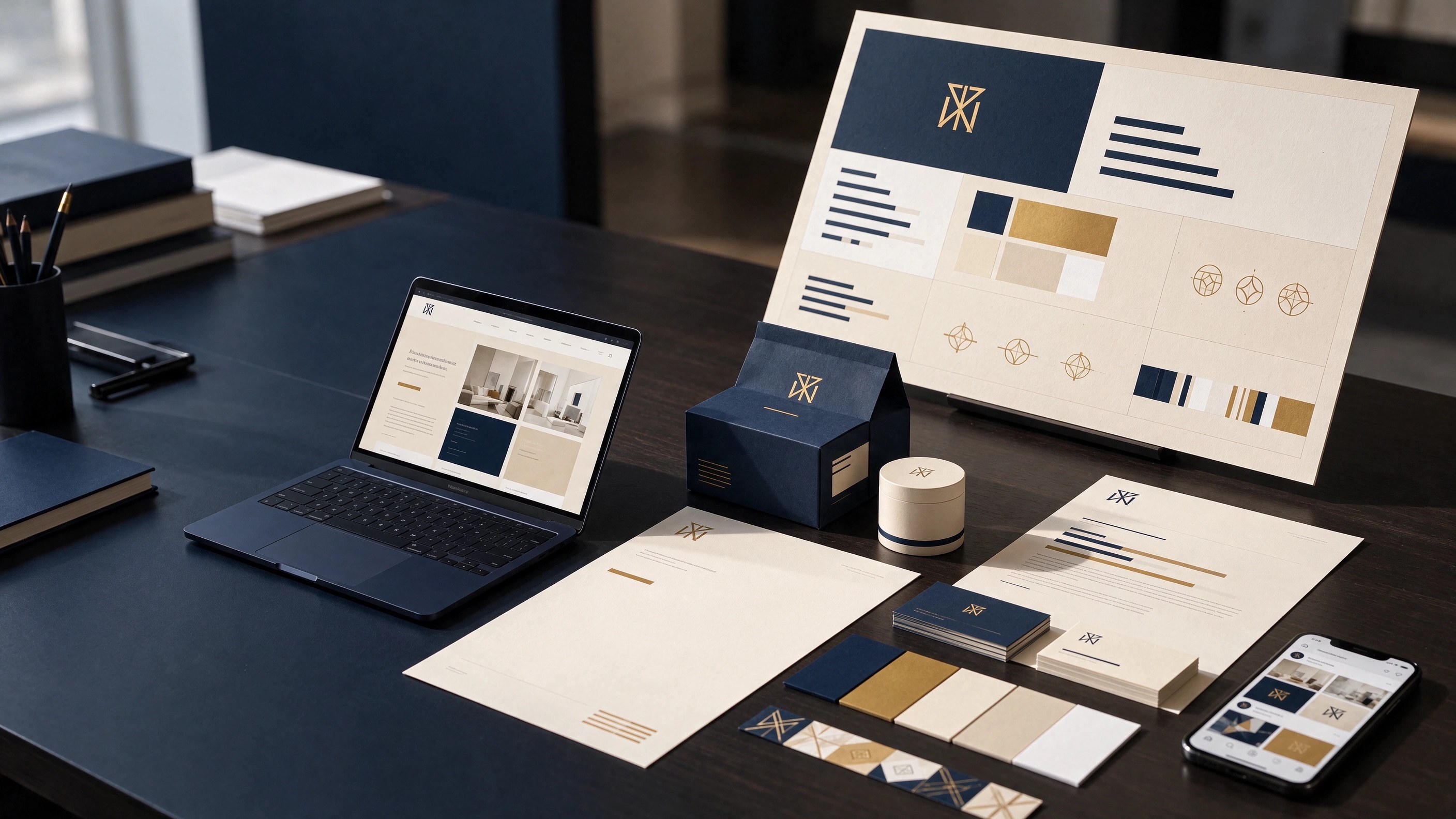
When people think about branding, the first thing that often comes to mind is a logo. They may picture a colourful symbol, a carefully designed business name or an attractive combination of fonts and colours. While these things are important, they represent only one part of a much bigger picture.
A business can have a beautiful logo and still struggle to make a strong impression. Its website may look different from its social media pages, its messages may be unclear, and customers may have a completely different experience each time they interact with it.
Good branding brings these different parts together. It helps people understand what a business stands for, what it offers, who it serves and what they can expect from it. It gives the business a recognisable identity and helps create a consistent experience across its website, marketing materials, products and customer communication.
Whether you run a small business, a growing company or an established organisation, understanding branding can help you present your business more clearly and build stronger relationships with customers.
What Is Branding?
Branding is the process of creating and maintaining the identity and impression of a business. It includes the way the business looks, communicates, presents its products or services and treats its customers.
It is not limited to what a company says about itself. It is also influenced by what people experience when they interact with the business.
For example, imagine two companies offering the same service. One has a clear website, consistent colours, professional documents, helpful communication and a straightforward service process. The other uses different designs across its platforms, provides confusing information and responds inconsistently to enquiries.
Even if both companies provide similar services, customers may form different impressions of them. The difference is not necessarily the quality of their logos. It is the overall experience each business presents.
Branding helps shape that experience and gives people a clearer reason to recognise, understand and remember a business.
Why a Beautiful Logo Is Not Enough
A logo is one of the most visible parts of a brand. It helps people identify a business and can make its materials easier to recognise. However, a logo cannot explain everything about a company.
It does not automatically tell customers:
- What the business does.
- Who its products or services are designed for.
- What makes the business different.
- What values guide the company.
- What customers can expect from its service.
- Why someone should choose it over another option.
These things require clear messaging, a consistent visual identity and a positive customer experience.
Think of a logo as the identifying mark of a business, not the complete business identity. A strong logo should work together with the other elements of the brand rather than carry the entire responsibility of making the business memorable.
1. A Strong Brand Has a Clear Identity
Before choosing colours, fonts or graphic styles, a business should understand the identity it wants to communicate.
This starts with a few important questions:
- What does the business offer?
- Who are its main customers?
- What problem does it help solve?
- What makes its products or services different?
- What should customers remember about the business?
- What kind of impression should the business create?
The answers help guide the design and communication decisions that follow.
For example, a financial services company may want to communicate reliability, clarity and professionalism. A children's clothing brand may want to appear friendly, colourful and welcoming. A technology company may prefer a clean and modern identity that communicates practical innovation.
These businesses should not necessarily use the same visual approach because they are trying to communicate different things to different audiences.
A clear brand identity gives the business a direction. It helps ensure that its logo, website, marketing materials and communication all support the same message.
2. Brand Colours Help Create Recognition
Colours are an important part of visual branding. When used consistently, they help people recognise a business across different platforms and materials.
Imagine seeing the same combination of colours on a company's website, social media graphics, business cards, product packaging and promotional materials. Over time, that repeated visual style can become associated with the company.
Choosing brand colours should involve more than selecting colours that look attractive. Consider:
- Your industry: The visual style should make sense for the type of business you operate.
- Your audience: Consider the people you want to reach and the impression you want to create.
- Readability: Text and backgrounds should have enough contrast to remain easy to read.
- Consistency: Use a defined colour palette rather than introducing unrelated colours on every design.
- Flexibility: Your colours should work across websites, printed materials, presentations and social media.
A useful brand colour system usually includes primary colours, supporting colours and neutral colours. This gives designers enough flexibility to create different materials without making the brand look inconsistent.
3. Typography Is Part of Your Brand Identity
Typography refers to the fonts and text styles used in your brand materials. It may seem like a small detail, but it affects how people read and experience your communication.
A business that uses one font on its website, several unrelated fonts on social media and a completely different style on its documents may appear disorganised.
A consistent typography system helps create a recognisable appearance. It also makes your content easier to read when the correct font sizes, spacing and text hierarchy are used.
When selecting brand fonts, consider:
- Whether the fonts are readable on mobile and desktop screens.
- Whether they suit the personality of the business.
- Whether they work well for headings and body text.
- Whether the font licences allow your intended use.
- Whether the fonts are available across the platforms where your brand will appear.
You do not need many fonts to create a professional identity. A carefully selected combination is usually easier to manage and maintain.
4. Your Brand Needs a Consistent Voice
Branding is not only visual. The way a business communicates also affects how people understand it.
Brand voice refers to the style and personality reflected in the business's written and spoken communication. It influences website content, advertisements, emails, social media captions, product descriptions and customer support messages.
For example, a business may choose to communicate in a friendly and simple way, while another may use a more formal and technical style. Neither approach is automatically better. What matters is that the chosen voice suits the audience and remains reasonably consistent.
To develop a clear brand voice, decide:
- Whether your communication should be formal or conversational.
- How much technical language your audience understands.
- What kind of words and phrases represent your business.
- How you explain your services and benefits.
- How you respond to questions, complaints and customer feedback.
Your brand should sound like the same business whether someone reads your homepage, receives an email or speaks with a member of your team.
5. Your Website Must Reflect Your Brand
For many customers, a business website is one of the first places they go to learn more about a company. It is therefore important that the website reflects the identity the business wants people to recognise.
A website that uses the wrong colours, inconsistent fonts, unclear messages or unrelated images can weaken the impression created by an otherwise professional logo.
Your website should support your branding through:
- A consistent colour and typography system.
- A clear logo placement and suitable logo variations.
- Professional images and graphics.
- Simple navigation and a well-organised layout.
- Clear descriptions of your products and services.
- Consistent buttons, icons and visual elements.
- Mobile-friendly pages that are easy to use.
Good website design is not just about making pages attractive. It should help visitors understand the business, find the information they need and take the next step, whether that means making an enquiry, booking a service or purchasing a product.
6. Consistency Builds Recognition and Familiarity
Customers may come across your business in different places. They might see a social media post, visit your website, receive a proposal, read an email or encounter your product packaging.
If each of these materials looks and sounds completely different, people may not immediately recognise that they belong to the same company.
Brand consistency means using the same basic identity across all the places where your business communicates with customers.
For example, your business should aim to maintain consistency in:
- Logo usage and placement.
- Colours and fonts.
- Image style and graphic design.
- Writing tone and messaging.
- Social media templates.
- Business cards and company documents.
- Website pages and promotional materials.
Consistency does not mean every design must look exactly the same. Different materials can have different layouts and purposes while still following the same brand guidelines.
The goal is to make your business recognisable, not to make every communication look like a copy of the previous one.
7. Customer Experience Is Also Part of Branding
A business can invest in an excellent logo and professional marketing materials, but its reputation will also depend on how customers are treated.
Consider what happens after someone contacts your business. Is the response clear? Are questions answered properly? Is the service delivered as promised? Is it easy to get help when something goes wrong?
These experiences contribute to the way people describe and remember your business.
For example, a company that presents itself as reliable should make an effort to communicate clearly, provide realistic expectations and follow through on its commitments.
A brand promise should not be limited to advertising language. It should reflect the kind of experience the business is prepared to provide.
This is why branding and customer service should not be treated as completely separate activities. The identity you communicate should be supported by the way your business operates.
8. Branding Helps Your Business Stand Out
In many industries, customers have several businesses to choose from. Some may offer similar products, prices or services. A clear brand can help people understand what makes your business different.
Your difference does not always have to be a completely new product. It could be the type of customers you serve, the way you deliver a service, your specialist knowledge, your approach to customer support or the experience you provide.
Good branding helps communicate that difference in a way people can understand.
For example, instead of simply saying that your company offers website design, your brand communication could explain that you build websites designed to help businesses present their services clearly and make it easier for customers to enquire.
The important thing is to communicate genuine strengths. Avoid making promises that your business cannot support.
9. A Brand Identity Should Work Across Different Platforms
Modern businesses communicate through more than one channel. Your brand may appear on a website, social media accounts, email signatures, advertisements, business documents, presentations, product packaging and printed materials.
Each platform has different design requirements, so your identity needs to be flexible.
A complete brand identity may include:
- Primary logo: The main version used in most brand applications.
- Alternative logo: A variation for layouts where the main logo does not fit.
- Brand symbol: A simplified mark that can work in smaller spaces.
- Colour palette: The approved primary, supporting and neutral colours.
- Typography: The fonts and text styles used across materials.
- Graphic elements: Supporting shapes, patterns, icons or other visual features.
- Social media templates: Reusable layouts for consistent online communication.
- Brand guidelines: Instructions explaining how the identity should be used.
These elements make it easier for your business or design team to produce new materials without starting from scratch each time.
10. What Should a Small Business Include in Its Branding?
You do not need to develop a complicated brand system from the beginning. A small business can start with the essentials and expand as it grows.
Here is a practical starting list:
- Business positioning: Define what you offer, who you serve and what makes your business useful.
- Logo design: Create a clear identity mark that works in different sizes and formats.
- Colour palette: Choose a manageable set of colours for consistent use.
- Typography: Select readable fonts for headings and body text.
- Brand voice: Decide how your business should communicate.
- Basic brand guidelines: Document how to use your logo, colours, fonts and other design elements.
- Digital presence: Apply the identity consistently to your website and social media accounts.
- Business materials: Prepare the documents and promotional designs your business needs regularly.
As the business grows, you can introduce additional materials such as packaging, signage, presentations, advertising templates and more detailed brand guidelines.
11. Signs Your Business May Need a Branding Update
Branding does not have to remain unchanged forever. As a business grows, introduces new services or begins serving a different audience, its identity may need to develop as well.
Consider reviewing your branding if:
- Your logo looks outdated or does not work well across digital platforms.
- Your website and social media pages use different visual styles.
- Customers struggle to understand what your business offers.
- Your business has changed its services or target audience.
- Your marketing materials look inconsistent.
- Your current identity no longer represents the quality or direction of your business.
- You are preparing to launch a new product, service or business division.
An update does not always require changing everything. Sometimes a business needs a more consistent colour system, better typography, improved messaging or updated design templates. The right approach depends on what is no longer working.
12. Common Branding Mistakes to Avoid
When developing a brand, some decisions can make it harder for customers to recognise or understand the business.
Choosing a design only because it looks attractive
A design may look beautiful but still fail to represent the business. Consider whether it communicates the right message and works for your intended audience.
Copying another company's identity
Looking at other brands can provide inspiration, but copying their designs makes it harder to establish an identity of your own. Build a visual direction that reflects your business.
Changing colours and fonts too often
Regularly changing the visual style can make your business difficult to recognise. Establish a basic identity system and use it consistently.
Ignoring the website and customer experience
A strong logo cannot compensate for a confusing website or poor service. Make sure the full customer experience supports the impression your brand creates.
Using unclear business messages
Customers should not have to guess what you offer. Explain your products and services in simple, direct language.
Failing to document brand guidelines
Without basic guidelines, different people may use the logo, colours and fonts in different ways. A simple brand guide helps keep new materials consistent.
How MeridSpace Can Help You Build a Stronger Brand
Building a professional brand involves more than creating an attractive logo. Your business needs an identity that communicates what you do, connects with the right audience and remains consistent wherever customers encounter it.
At MeridSpace, we help businesses develop and improve their digital presence through branding and graphic design, website design and development, and other creative and technology services. We understand that each business has its own goals, audience and direction, so the work should begin with understanding what the business needs to communicate.
Whether you are starting a new business, updating an existing identity or trying to make your website and marketing materials more consistent, we can help you plan a practical approach. This may include logo and visual identity design, brand colours and typography, social media graphics, promotional materials and a website that reflects your brand properly.
We have been building websites and supporting businesses since 2019, and we believe good design should serve a clear purpose. It should help people understand your business, recognise your identity and take the next step with confidence.
If you are ready to build a stronger brand or improve the way your business presents itself, contact MeridSpace. Tell us about your business and what you want to achieve. We will be happy to discuss the right design and digital solutions for your needs.
Frequently Asked Questions About Business Branding
Is branding the same as logo design?
No. Logo design is one part of branding. Branding also includes your visual identity, colours, typography, messaging, communication style and the experience customers have when interacting with your business.
Why is branding important for a small business?
Branding helps a small business present itself clearly and consistently. It can make the business easier to recognise, help communicate its value and create a more professional experience for potential customers.
Can I build a brand without spending a lot of money?
Yes. You can start with the essentials: clear business messaging, a suitable logo, a simple colour palette, readable fonts and consistent use across your website and social media. You can expand the identity as your business grows.
How often should a business update its branding?
There is no fixed period. Review your branding when your business changes direction, serves a different audience, introduces new services or finds that its current identity no longer represents it properly. Avoid making changes just for the sake of appearing new.
What is included in a brand identity package?
A brand identity package may include logo variations, brand colours, typography, graphic elements and brand guidelines. Depending on the business's needs, it may also include business cards, social media templates, stationery and other promotional materials.
Does good branding guarantee more customers?
No. Branding alone cannot guarantee sales or customer growth. However, clear and consistent branding can help people understand your business, recognise what it offers and form a more informed impression. It works best alongside good products, reliable service and effective marketing.
Final Thoughts
A beautiful logo can make your business recognisable, but a strong brand gives people a better understanding of what your business represents. It brings together your visual identity, communication, website, marketing materials and customer experience.
If you want your business to stand out, start by defining what makes it useful and different. Build an identity that communicates that clearly, use it consistently and make sure the experience you provide supports the message.
Remember, good branding is not simply about looking professional. It is about creating a clear and consistent impression that people can recognise, understand and trust over time.