

Digital Marketing · Concept
Lead Generation Funnel Design for Business Growth
A lead generation funnel concept designed by MeridSpace to help businesses attract potential customers, collect useful contact details, build trust and turn interested visitors into paying customers.
A business needs more than people visiting its website. It needs visitors who are interested in its products or services and are willing to take the next step. This is where a lead generation funnel becomes useful. MeridSpace developed this concept to show how businesses can guide potential customers from their first visit to making an enquiry or buying a product. The idea is to make the process clear, simple and easy to follow.
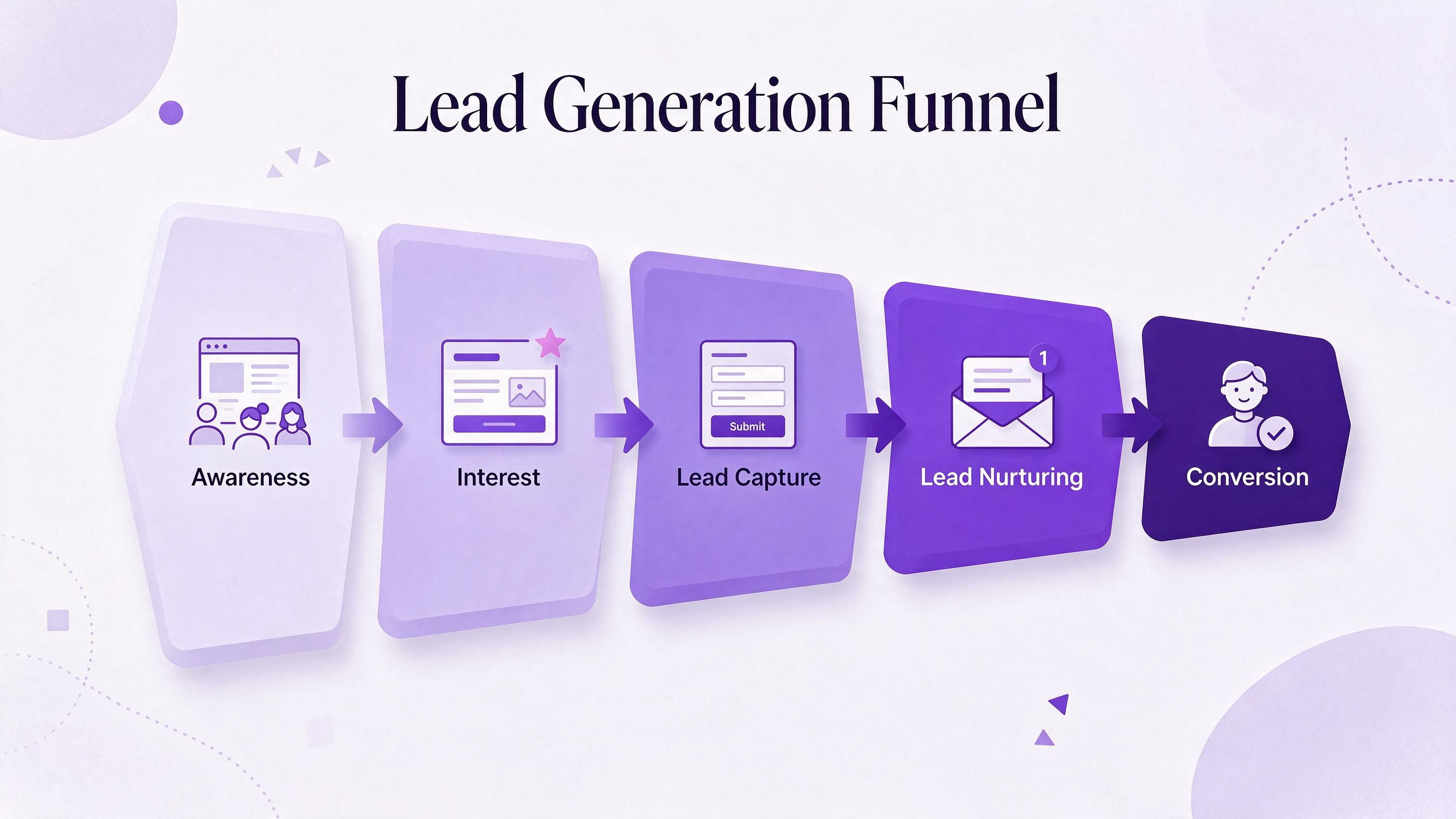
The Lead Generation Funnel project focuses on how a business can attract the right audience, give visitors useful information, collect their contact details and stay in touch with them until they are ready to make a decision. Each stage has a clear purpose, and the design helps users understand what to do next. Rather than asking visitors to buy immediately, the funnel gives them enough information and support to build confidence in the business.
Project Overview
The main goal of this concept is to present a clear marketing process that businesses can use to get more enquiries and potential customers. Many businesses spend time and money bringing visitors to their websites, social media pages and landing pages. However, some of these visitors leave without making contact. In many cases, the problem is not the quality of the product or service. The problem may be that visitors do not know what action to take, do not have enough information or are not yet ready to buy.
MeridSpace approached this project by looking at the different steps a visitor takes before becoming a customer. The funnel gives each step its own place, from awareness and interest to lead capture, follow-up and conversion. This makes it easier for a business to understand where potential customers are coming from and what can be done to move them forward.
The Main Idea Behind the Funnel
A lead generation funnel is a process used to turn people who show interest in a business into useful sales leads. A lead is someone who has shown interest and shared a way for the business to contact them, such as an email address or phone number. Not every lead will become a customer, but collecting and following up with interested people gives a business more chances to make a sale.
The concept is based on a simple idea: people need different things at different stages of their buying journey. Someone who has just discovered a business may need basic information. Another person who is comparing different service providers may need proof of experience, clear pricing or answers to common questions. A person who is ready to buy may only need a simple way to make an enquiry or complete an order.
The funnel brings these needs together in one organised process. It helps a business avoid giving every visitor the same message and instead provides information that matches the visitor's level of interest.
Stage One: Building Awareness
The first stage is awareness. At this point, people may not know that the business exists or may not understand how its products or services can help them. The purpose of this stage is to reach the right audience and introduce the business in a clear way.
Businesses can create awareness through search engines, social media, online advertising, useful articles, referrals and other marketing channels. The message should explain what the business offers and why it may be useful to the people seeing it. The goal is not to provide every detail at once. It is to give people a reason to learn more.
For this concept, the awareness stage leads visitors to a relevant page where they can find more information. This could be a service page, campaign landing page, product page or useful article. The page should match the message that brought the visitor there. When the information is relevant, visitors are more likely to continue exploring.
Stage Two: Creating Interest
After a visitor becomes aware of the business, the next step is to build interest. Visitors at this stage want to understand what the business does and whether its offer is suitable for their needs. The information should be easy to read and should answer the questions that a potential customer may have.
Useful content can include service descriptions, product details, project examples, customer reviews, frequently asked questions and simple explanations of how a service works. These details help visitors make a better decision without feeling pressured.
The design of the page also plays an important role. Important information should be easy to find, headings should explain what each section is about and buttons should use clear wording. A visitor should not have to search through several pages just to understand the main offer.
Stage Three: Collecting Leads
Once visitors show interest, the business needs a simple way to collect their details. This is the lead capture stage. It is one of the most important parts of the funnel because it gives the business a way to continue the conversation after the visitor leaves the website.
A lead capture form can ask for details such as a person's name, email address, phone number and the service they are interested in. The form should only request information that the business actually needs. Asking for too many details can make visitors uncomfortable and may cause them to leave before submitting the form.
The offer behind the form should also be clear. Depending on the business, visitors may be able to request a quote, book a consultation, download a useful guide, arrange a call or ask for more information. The visitor should understand what will happen after submitting the form.
In this concept, the form is treated as an important part of the user experience rather than just a place to collect information. It should be easy to complete on both desktop and mobile devices. Clear field labels, helpful instructions and a visible submit button can make the process easier.
Stage Four: Following Up with Leads
Not every person who submits a form is ready to become a customer immediately. Some may still be comparing options, discussing the decision with other people or waiting for the right time. This is why the funnel includes a follow-up stage.
After a visitor submits their details, the business should confirm that the information has been received. This can be done through a thank-you message on the website and an automatic confirmation email. The message should explain what happens next and, where possible, give an idea of when the person can expect a response.
The business can then continue the conversation through email, phone calls or another suitable communication channel. Follow-up messages should provide useful information instead of sending repeated sales messages. For example, a business could share answers to common questions, explain its process, show examples of completed work or provide details about available services.
Good follow-up helps build trust. It also gives the business an opportunity to understand what the potential customer needs before recommending a solution. The aim is to keep communication helpful and relevant, not to pressure people into making a quick decision.
Stage Five: Turning Leads into Customers
The final main stage is conversion. This is where an interested lead takes the action that the business wants, such as booking a service, accepting a quotation, making a purchase or signing an agreement.
The process should be as simple as possible. If a potential customer has to complete too many steps, search for missing information or contact several people before making a decision, they may lose interest. Clear service details, transparent pricing where possible, simple booking options and direct contact information can help remove these problems.
The business should also make sure that the offer matches what was promised earlier in the funnel. If the visitor was attracted by a particular service or benefit, the final offer should explain how that service will meet their needs. A clear connection between the first marketing message and the final offer helps create a better experience.
Design and User Experience
The user experience is an important part of this project. A lead generation funnel should not feel confusing or difficult to use. Each page and section should help visitors move towards the next step without unnecessary distractions.
The layout should give important information enough space and use clear headings to separate different topics. Buttons should be easy to recognise, and calls to action should tell visitors exactly what will happen when they click. For example, wording such as "Request a Quote", "Book a Consultation" or "Get More Information" is more useful than a general button that does not explain the action.
Forms should be short and simple, and visitors should receive clear feedback after submitting them. Error messages should explain what needs to be corrected. Success messages should confirm that the form has been received. These small details help visitors feel more confident while using the website.
Mobile-Friendly Experience
Many people browse websites using their phones, so the funnel needs to work well on smaller screens. A page that looks good on a desktop computer may become difficult to use when viewed on a mobile device. Text may become too small, buttons may be difficult to tap and forms may require too much scrolling.
The concept takes mobile use into account by keeping the layout flexible and the content easy to read. Buttons and form fields should have enough space, images should fit the screen and important information should remain easy to find. Visitors should be able to move from the landing page to the enquiry form without struggling with the layout.
A consistent experience across desktop, tablet and mobile devices helps the business reach people wherever they choose to browse.
Measuring Funnel Performance
A lead generation funnel should be reviewed regularly to understand whether it is helping the business reach its goals. Collecting leads is useful, but businesses also need to know how visitors move through the process and where they may be leaving.
Useful measurements include the number of visitors who reach a landing page, the number of people who click a call-to-action button, the number of completed forms and the number of leads who become paying customers. Businesses can also review where visitors come from and which marketing channels bring the most useful leads.
For example, if many people visit a page but very few complete the form, the business may need to review the page content, the offer or the form itself. If people submit forms but do not respond to follow-up messages, the business may need to improve its communication process. Looking at these details helps identify areas that need attention.
Expected Benefits for Businesses
A well-planned lead generation funnel can help a business organise its marketing activities and make better use of the visitors it already attracts. It provides a clear process for turning interest into enquiries and gives the business a better way to communicate with potential customers.
It can also help reduce missed opportunities. Instead of depending only on visitors making an immediate purchase, the business can collect enquiries and continue the conversation when the person is ready. The information collected through the process can also help the business understand what its audience wants and which services receive the most interest.
Another benefit is improved communication. When visitors receive relevant information at each stage, they have a better understanding of the business and what it offers. This can make enquiries more useful and help sales teams spend more time speaking with people who have a genuine interest.
How MeridSpace Approached the Concept
MeridSpace approached the Lead Generation Funnel project with a focus on clarity, structure and practical use. The concept brings the main parts of the customer journey into one connected process. It considers how visitors discover a business, what information they need, how they can make contact and how the business can continue communicating with them.
The project also considers the relationship between marketing content and website design. A campaign may attract visitors, but the landing page must give them a clear reason to stay. A form may collect their details, but the business must have a suitable follow-up process. Each part needs to work with the others for the funnel to be useful.
This approach makes the concept suitable for different types of businesses. A service provider may use it to collect consultation requests, while an online business may use it to build a list of interested buyers. The exact pages, messages and offers can change depending on the business, but the main process remains the same.
Final Thoughts
The Lead Generation Funnel concept shows how a business can create a more organised path from the first customer interaction to a completed sale. It brings awareness, interest, lead capture, follow-up and conversion together in a way that is easy to understand and manage.
For MeridSpace, the focus of this project is on creating a practical marketing structure that puts the visitor's experience first. A good funnel should help people find useful information, understand what a business offers and take the next step without confusion. It should also give the business a clear process for managing enquiries and building relationships with potential customers.
With the right content, a simple design and regular performance checks, a lead generation funnel can become a useful part of a business's wider marketing plan. It is not only about collecting contact details. It is about creating a clear and helpful journey that gives interested people a good reason to become customers.
More projects

Social Media Marketing Panel for Resellers and Brands
A social media marketing panel concept by MeridSpace for selling and managing promotion services, with customer accounts, service listings, wallet funding, order tracking, reseller tools and provider API connections.
Read more →
MeridianCart – Multi-Vendor E-Commerce Marketplace Development
MeridianCart is a multi-vendor marketplace developed by MeridSpace, bringing buyers and sellers together through product listings, seller stores, carts, checkout, payments, order management, delivery and shipment tracking.
Read more →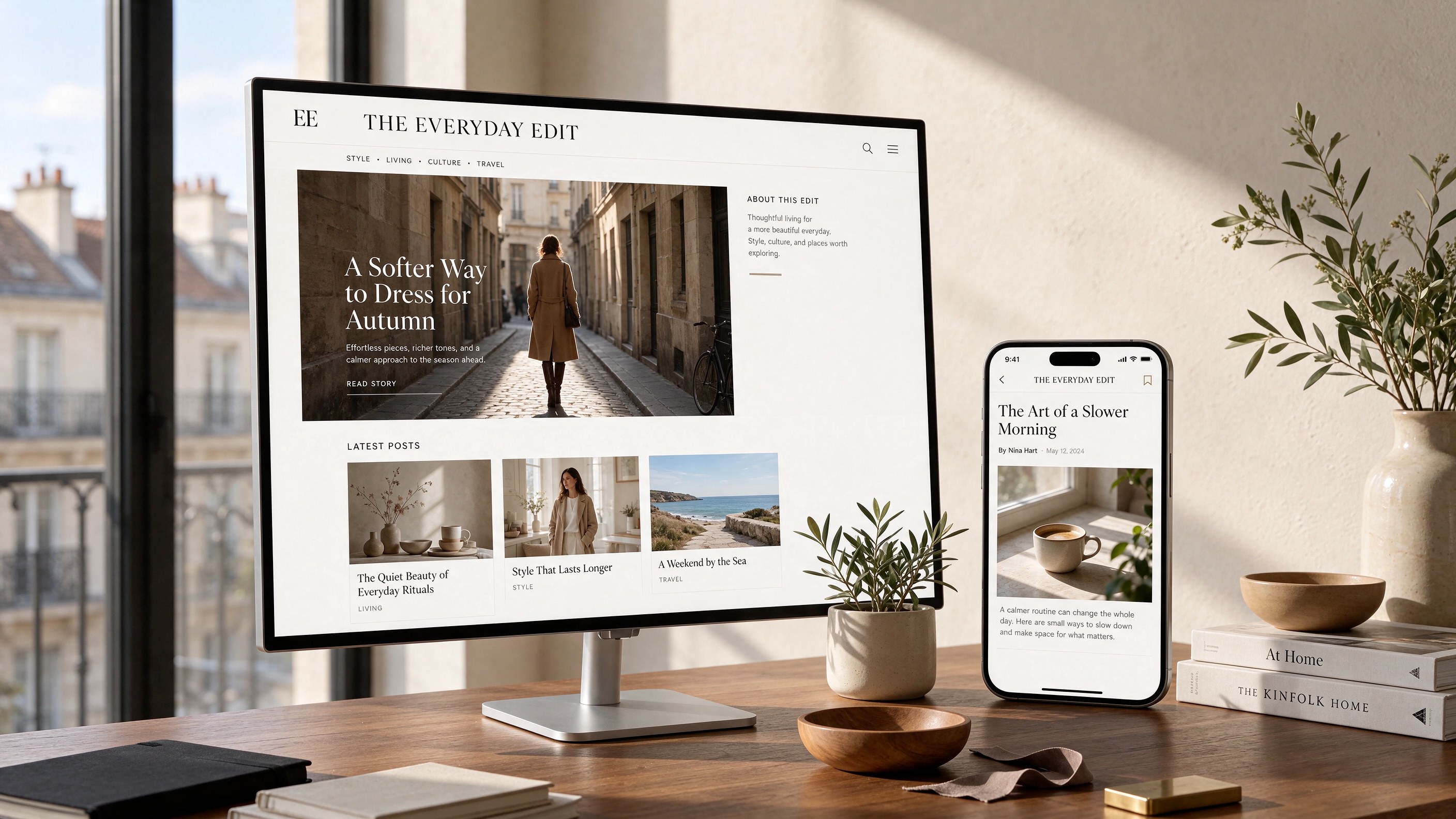
Blog Website Development for Content Publishers
A blog website concept by MeridSpace for publishing fashion, lifestyle, entertainment and general articles, with content management, categories, author profiles, search, SEO settings and advertising support.
Read more →